

African Report
Kenyan Leader William Ruto Faces Backlash After Remarks on Nigerian English Spark Outrage Across Africa

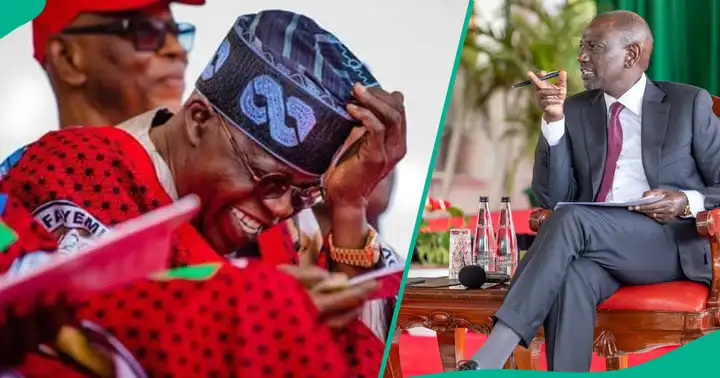
Kenyan Leader William Ruto Faces Backlash After Remarks on Nigerian English Spark Outrage Across Africa
“You need a translator” comment ignites debate on language, identity, and African unity
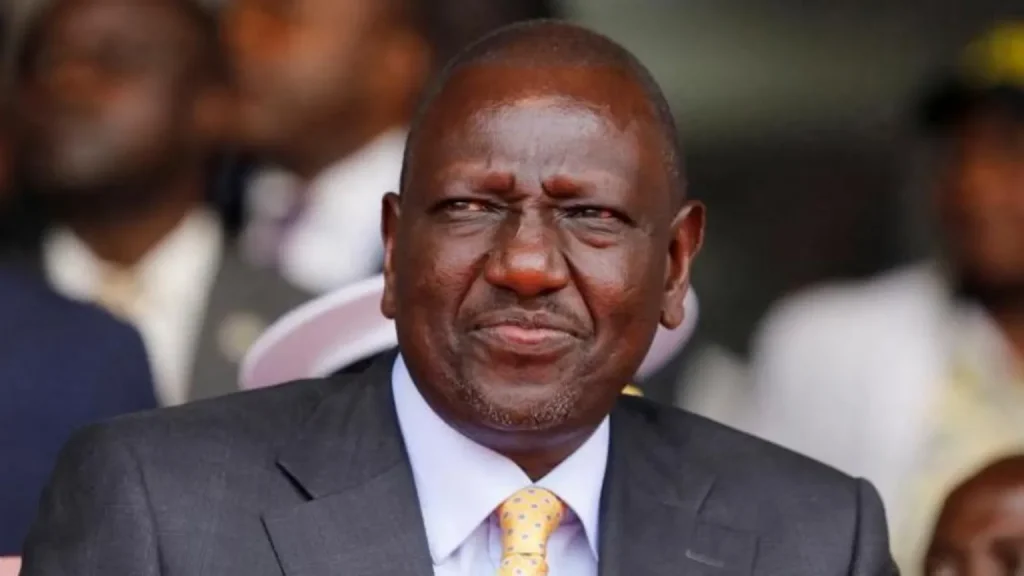
A wave of criticism has erupted across social media after Kenyan President William Ruto made controversial remarks suggesting that Nigerian-accented English is difficult to understand and would require a “translator.”
Speaking during an address to Kenyans living in Italy on Monday, Ruto praised Kenya’s education system and English proficiency, but contrasted it with Nigeria in a way many have described as dismissive and offensive.
“If you listen to a Nigerian speaking, you don’t know what they are saying — you need a translator,” Ruto said, a comment that reportedly drew laughter from parts of the audience.
He further added:
“Our education is good. Our English is good. We speak some of the best English in the world.”
The remarks have since triggered a storm of reactions across Africa, particularly in Nigeria, where many viewed the comments as unnecessary and disrespectful toward a fellow African nation.
Nigeria pushes back: “Language is not a measure of intelligence”
Critics argue that Ruto’s comments reflect a misunderstanding of linguistic diversity across Africa, especially among countries with colonial histories and multilingual populations.
Zimbabwean journalist Hopewell Chin’ono responded strongly, writing that:
“English is a colonial language, not a measure of intelligence, capability, or national progress.”
Nigeria, Africa’s most populous country, has more than 500 indigenous languages, which significantly influence the way English is spoken locally. Linguists often describe “Nigerian English” as a distinct and globally recognized variant shaped by culture, rhythm, and native linguistic structures.
Cultural identity vs colonial language legacy
Both Kenya and Nigeria are former British colonies where English serves as an official language. However, each country has developed its own unique accent, vocabulary, and pronunciation patterns.
Experts note that Nigeria’s linguistic diversity plays a major role in shaping its English usage, while Kenya’s mix of Bantu, Nilotic, and Cushitic languages similarly influences its accent and speech patterns.
Nigeria is also widely recognized for its global cultural influence, particularly through literature, media, and diaspora communities.
Renowned voices such as Chinua Achebe, Chimamanda Ngozi Adichie, and Nobel Laureate Wole Soyinka have contributed significantly to English-language literature, further strengthening Nigeria’s global linguistic identity.
Social media explodes: “Colonial mindset” or harmless joke?
Reactions online were swift and divided. Many users across X (formerly Twitter) accused Ruto of reinforcing colonial-era attitudes that rank African identities based on English fluency.
Former Nigerian senator Shehu Sani also weighed in, referencing Nigeria’s literary legacy and questioning the basis of the remarks.
Some users described the comments as a “deep inferiority complex rooted in colonial conditioning,” while others argued the statement was taken out of context or intended as light humour during a public address.
On the other hand, a section of Kenyan social media users defended the president, suggesting critics misunderstood his tone and missed the humorous intent behind the statement.
Nigeria’s English influence and global reach
Nigeria remains the country with the highest number of English speakers in Africa. Over time, its version of English has evolved into a widely studied and recognized dialect often referred to as Nigerian English.
Expressions like “next tomorrow” (meaning the day after tomorrow) have even entered broader usage and appear in discussions of global English evolution.
Nigeria’s large diaspora communities, especially in the UK and the United States, continue to shape and export these linguistic influences worldwide.
Renewed Kenya–Nigeria online rivalry
The controversy has also reignited the familiar online rivalry between Kenyans and Nigerians, often seen on social media platforms where users engage in playful — and sometimes heated — debates over culture, politics, football, and economic progress.
Interestingly, similar tensions emerged earlier this month when Nigerian President Bola Tinubu reportedly faced backlash online after comments comparing Nigeria’s economic standing with other African countries.
While there has been no official response from the Kenyan presidency, the debate continues to trend widely, reflecting deeper conversations about identity, language pride, and post-colonial sensitivity in Africa.
Final word: more than just accents
Beyond the controversy, the incident has reignited a broader African conversation — not just about accents or English proficiency, but about respect, cultural identity, and the lingering influence of colonial language hierarchies.
As the online debate continues to grow, one thing remains clear: in Africa’s digital public square, language is never just language — it is identity, pride, and power.

📢 Share & Stay Connected
Join our growing community and never miss important updates:
Telegram
Email Subscription
📩 Enter your email address to subscribe and receive the latest news directly in your inbox.
📰 News Categories
Explore diverse and engaging content across our platform:
Aviation | Capital Market | Energy | Advocacy | Africa | Asia | Europe | World |
Arts | Beauty | Education | Cartoons | Columnists | Features | Fashion |
Football | Industry | Insurance | Maritime | Travel & Tourism | Weekend |
Interviews | Gadgets | Law | Change of Name
ℹ️ About Us
We are committed to delivering timely, credible, and impactful news stories that inform, educate, and inspire society.
📢 Advertise With Us
Reach a wider audience by promoting your brand, business, or services on our platform.
🔒 Privacy Policy
Your privacy matters to us. We ensure your data is protected and handled responsibly.
💬 Leave a Reply
Your email address will not be published. Required fields are marked *
📩 Contact & Media Services
For:
Event Coverage
Public Relations (PR)
Story/Article Publication
Media Partnerships
📧 Kindly send inquiries to: newzspy25@gmail.com
🌐 Visit our official website: www.newzspy.ng
Stay updated with the latest news on health, politics, business, sports, and trending stories.
🎯 Mission Statement
Our mission is to deliver exceptional journalism by presenting balanced, accurate, and impactful stories while promoting positivity in society.
We remain committed to holding leadership accountable and protecting the principles of press freedom and free speech without compromise.
By supporting our platform, you contribute to ensuring that individuals and institutions have access to credible and reliable information for national development.
🔥 Trending Tags & Topics
Stay informed with trending topics including:
Breaking News | Politics | Health | Education | Environment | Lifestyle | Leadership | Religion | Technology | AI
🌍 Coverage spans across Nigeria and globally, including:
Lagos, Abuja, Rivers, Kano, Delta, Oyo, Kaduna, Enugu, and international regions like the U.S., UK, Europe, Asia, Middle East, and Africa.
📲 Follow & Share
Facebook | Twitter (X) | Instagram | WhatsApp | Telegram | LinkedIn | Pinterest | Reddit
© 2025 NEWZSPY
All Rights Reserved.
Share this content:








THE BLOOD PRICE OF EDUCATION IN NIGERIA AND GLOBALLY
By Ohore Emmanuel Ufuoma
In the 1950s, Western Region made primary education free. It was a gift, not a transaction.
Children walked into classrooms without fear and without fees. Awolowo called it an investment in blood — the lifeblood of a nation’s future.
Chief Obafemi Awolowo once declared education “the blood of the Nigerian child.” Awolowo’s model was simple: free education = national blood = national strength. Today the equation has reversed: education = blood price. Blood is being spilled.
The numbers tell a story no government can ignore: Since the abduction of 276 girls from Chibok in April 2014, Nigeria has recorded over 20 major school kidnapping incidents. Many attacks in remote communities of Zamfara, Niger, Sokoto and Katsina go unreported. The real number is higher. Each number is a child who didn’t come home.
For years we said “it’s a Northern problem”. That lie ended on May 15, 2026.
On May 23, 2025 at Community High School and Yawota Baptist School in Oyo State, 39 students were abducted, including 7 teachers. Many of the victims are children of primary school age, which also shows that early years education is at threat, with some as young as three and four years old, heightening concerns about their well-being and safety.
Globally, classrooms are no longer sanctuaries. In Turkey, school shootings are rare, but April 2026 broke that silence. On April 14, a former student shot 16 people at a school in Siverek, Şanlıurfa. Less than a day later, a 14-year-old killed 10 and wounded 12 at Ayser Çalık Secondary School in Kahramanmaraş, making it Turkey’s deadliest school shooting. The U.S. faces a different scale: 18 school shootings with injuries or deaths in 2025 alone, claiming 7 lives. From Chibok to Kahramanmaraş to Fairfield, the equation is the same: education now demands a blood price.
Nigeria stands at a crossroads. We can keep trading speeches for security, or we can honor the debt owed to every child in a classroom. The Safe School Declaration must move from paper to practice, with real protection and real accountability for every naira spent. Schools are not political tools. They are sacred ground where futures are built. Awolowo gave us education without a price tag. We must not allow bandits to replace it with a blood tax. If we fail to act now, we risk raising a generation that inherits fear instead of knowledge, and empty classrooms instead of a nation with a future. The time for decisive action is now. Nigeria’s children deserve their classrooms back.
📢 Share & Stay Connected
Join our growing community and never miss important updates:
Telegram
WhatsApp
Email Subscription
📩 Enter your email address to subscribe and receive the latest news directly in your inbox.
📰 News Categories
Explore diverse and engaging content across our platform:
Aviation | Capital Market | Energy | Advocacy | Africa | Asia | Europe | World |
Arts | Beauty | Education | Cartoons | Columnists | Features | Fashion |
Football | Industry | Insurance | Maritime | Travel & Tourism | Weekend |
Interviews | Gadgets | Law | Change of Name
ℹ️ About Us
We are committed to delivering timely, credible, and impactful news stories that inform, educate, and inspire society.
📢 Advertise With Us
Reach a wider audience by promoting your brand, business, or services on our platform.
🔒 Privacy Policy
Your privacy matters to us. We ensure your data is protected and handled responsibly.
💬 Leave a Reply
Your email address will not be published. Required fields are marked *
📩 Contact & Media Services
For:
Event Coverage
Public Relations (PR)
Story/Article Publication
Media Partnerships
📧 Kindly send inquiries to: newzspy25@gmail.com
🌐 Visit our official website: www.newzspy.ng
Stay updated with the latest news on health, politics, business, sports, and trending stories.
🎯 Mission Statement
Our mission is to deliver exceptional journalism by presenting balanced, accurate, and impactful stories while promoting positivity in society.
We remain committed to holding leadership accountable and protecting the principles of press freedom and free speech without compromise.
By supporting our platform, you contribute to ensuring that individuals and institutions have access to credible and reliable information for national development.
🔥 Trending Tags & Topics
Stay informed with trending topics including:
Breaking News | Politics | Health | Education | Environment | Lifestyle | Leadership | Religion | Technology.
🌍 Coverage spans across Nigeria and globally, including:
Lagos, Abuja, Rivers, Kano, Delta, Oyo, Kaduna, Enugu, and international regions like the U.S., UK, Europe, Asia, Middle East, and Africa.
📲 Follow & Share
Facebook | Twitter (X) | Instagram | WhatsApp | Telegram | LinkedIn | Pinterest | Reddit
© 2025 NEWZSPY
All Rights Reserved.
Share this content:
African Report
Access Bank, Fifth Chukker and UNICEF Renew Commitment to Expanding Educational Opportunities for Nigeria’s Most Vulnerable Children
Access Bank, Fifth Chukker and UNICEF Renew Commitment to Expanding Educational Opportunities for Nigeria’s Most Vulnerable Children
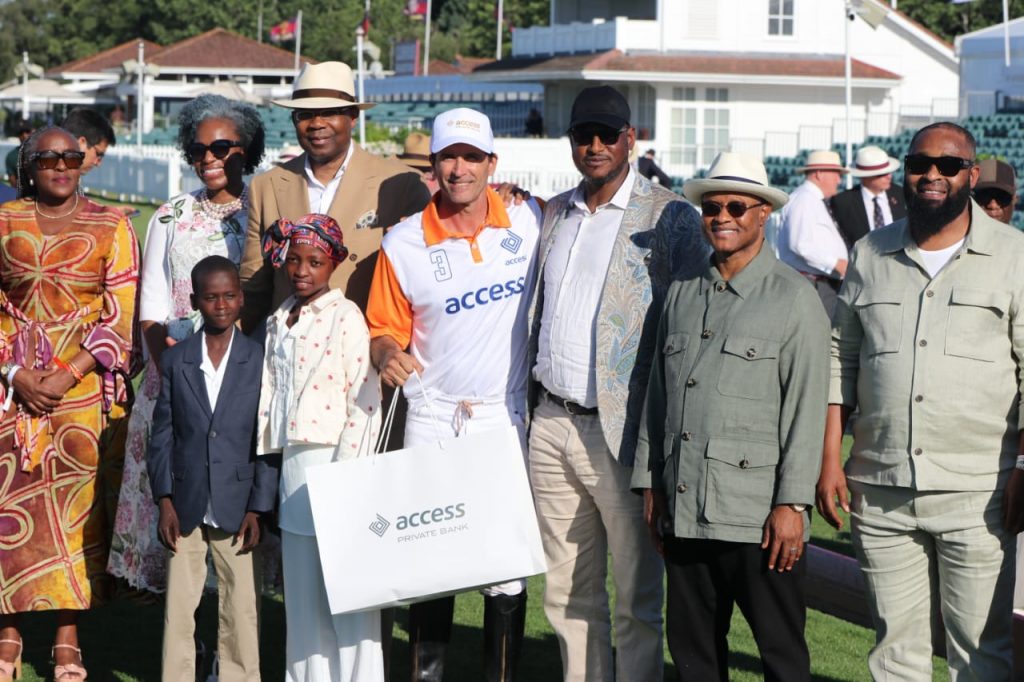
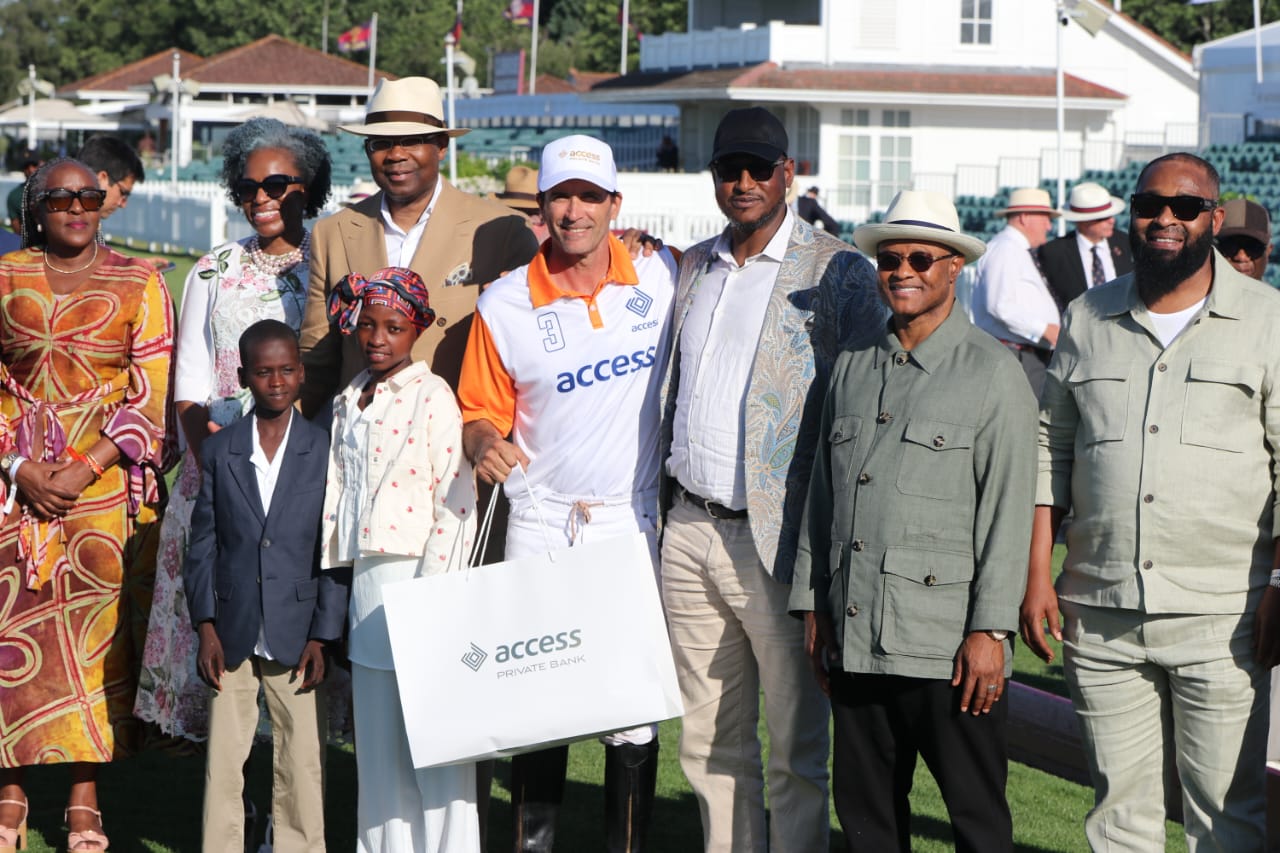
London, United Kingdom – July 6, 2026: The transformative power of collective action in expanding access to education took centre stage in London as Access Bank UK, Fifth Chukker, UNICEF and the Kaduna State Government reaffirmed their shared commitment to creating brighter futures for Nigeria’s most vulnerable children.
Hosted by Access Bank UK, Access UK Polo Day celebrated more than 15 years of impact driven by a shared vision to expand educational opportunities for underserved children. What began as a modest initiative has evolved into one of Africa’s most impactful education programmes, with the Access Bank Fifth Chukker School in Kaduna State and its associated interventions positively impacting more than 14,000 children across underserved communities in Northern Nigeria.
At the heart of this transformation is the Access Bank Fifth Chukker School, where investments in educational infrastructure, learning resources and student support have created lasting opportunities for thousands of children. Between 2018 and 2026 alone, the school recorded 2,538 graduates, with female pupils accounting for more than 54 per cent of the total, underscoring the programme’s contribution to advancing girls’ education and promoting inclusive access to learning.
More than 1,000 pupils benefit from the school’s internationally recognised foundational learning programme each year, contributing to improved literacy and numeracy outcomes and a reported 15 per cent increase in learning performance. Students continue to secure admission into leading secondary schools, while teachers receive ongoing professional development and digital learning support. Enhanced infrastructural facilities and expanded learning resources have further strengthened the overall learning environment, helping to sustain the programme’s long-term impact.
This year’s event reinforced a compelling message: Every pledge should lead to a classroom, every classroom should empower a child, and every child should have the opportunity to shape a brighter future.
Speaking at the event, the Managing Director and Chief Executive Officer of Access Bank Plc, Roosevelt Ogbonna, reflected on the remarkable growth of the initiative and the unwavering commitment of its supporters.
“What began as a dream to transform the lives of 100 children has grown into a movement that has positively impacted more than 14,000 young people. We want to return next year talking about 28,000 children. Education remains the greatest leveller, giving every child a genuine opportunity to realise their potential and contribute meaningfully to society.”
Ogbonna expressed appreciation to donors and partners whose support has sustained the initiative, noting that investment in education creates lasting intergenerational impact.
Kaduna State Governor Uba Sani described education as one of the most valuable investments any society can make. He praised the longstanding alliance between Access Bank, Fifth Chukker and UNICEF, noting that it has restored hope and opportunity to thousands of children from underserved communities.
Highlighting Kaduna State’s ongoing education reforms, the Governor revealed that approximately 300,000 out-of-school children had been returned to classrooms over the past year through partnerships with organisations including UNICEF and other development partners. He also announced plans to construct an additional 120 classrooms at the Fifth Chukker Access Bank UNICEF School, enabling even more children to access quality education.
“What we are doing here is about humanity. By giving children access to quality education, we are empowering them to dream, to lead and to build a better future for themselves and their communities.”
Governor Sani also paid tribute to the late Herbert Wigwe, acknowledging his vision, leadership and enduring commitment to improving educational outcomes for underserved populations.
For Aigboje Aig-Imoukhuede, Chairman of Access Holdings, the true success of the initiative is reflected in the lives being transformed.
“The most meaningful measure of success is not the number of buildings we construct, but the opportunities we create. Every child who receives an education, every young person who discovers their potential, and every community strengthened through learning represents the lasting impact of this partnership. Together, we are proving that when purpose meets collaboration, we can create opportunities that change lives for generations.”
Welcoming guests, Jamie Simmonds, Chief Executive Officer of The Access Bank UK, described the gathering as polo with purpose, a celebration not only of sport but of a shared mission to create opportunity through education. He highlighted the institution’s commitment to supporting initiatives that deliver sustainable social impact and broaden access to learning for underserved children.
The event concluded with a renewed commitment from all stakeholders to deepen investment in education as a catalyst for national development and social progress. The Access Bank Fifth Chukker School continues to demonstrate the impact of sustained collaboration among the private sector, government and development partners, delivering measurable outcomes for vulnerable children in Northern Nigeria.
📢 Share & Stay Connected
Join our growing community and never miss important updates:
Telegram
WhatsApp
Email Subscription
📩 Enter your email address to subscribe and receive the latest news directly in your inbox.
📰 News Categories
Explore diverse and engaging content across our platform:
Aviation | Capital Market | Energy | Advocacy | Africa | Asia | Europe | World |
Arts | Beauty | Education | Cartoons | Columnists | Features | Fashion |
Football | Industry | Insurance | Maritime | Travel & Tourism | Weekend |
Interviews | Gadgets | Law | Change of Name
ℹ️ About Us
We are committed to delivering timely, credible, and impactful news stories that inform, educate, and inspire society.
📢 Advertise With Us
Reach a wider audience by promoting your brand, business, or services on our platform.
🔒 Privacy Policy
Your privacy matters to us. We ensure your data is protected and handled responsibly.
💬 Leave a Reply
Your email address will not be published. Required fields are marked *
📩 Contact & Media Services
For:
Event Coverage
Public Relations (PR)
Story/Article Publication
Media Partnerships
📧 Kindly send inquiries to: newzspy25@gmail.com
🌐 Visit our official website: www.newzspy.ng
Stay updated with the latest news on health, politics, business, sports, and trending stories.
🎯 Mission Statement
Our mission is to deliver exceptional journalism by presenting balanced, accurate, and impactful stories while promoting positivity in society.
We remain committed to holding leadership accountable and protecting the principles of press freedom and free speech without compromise.
By supporting our platform, you contribute to ensuring that individuals and institutions have access to credible and reliable information for national development.
🔥 Trending Tags & Topics
Stay informed with trending topics including:
Breaking News | Politics | Health | Education | Environment | Lifestyle | Leadership | Religion | Technology.
🌍 Coverage spans across Nigeria and globally, including:
Lagos, Abuja, Rivers, Kano, Delta, Oyo, Kaduna, Enugu, and international regions like the U.S., UK, Europe, Asia, Middle East, and Africa.
📲 Follow & Share
Facebook | Twitter (X) | Instagram | WhatsApp | Telegram | LinkedIn | Pinterest | Reddit
© 2025 NEWZSPY
All Rights Reserved.
Share this content:
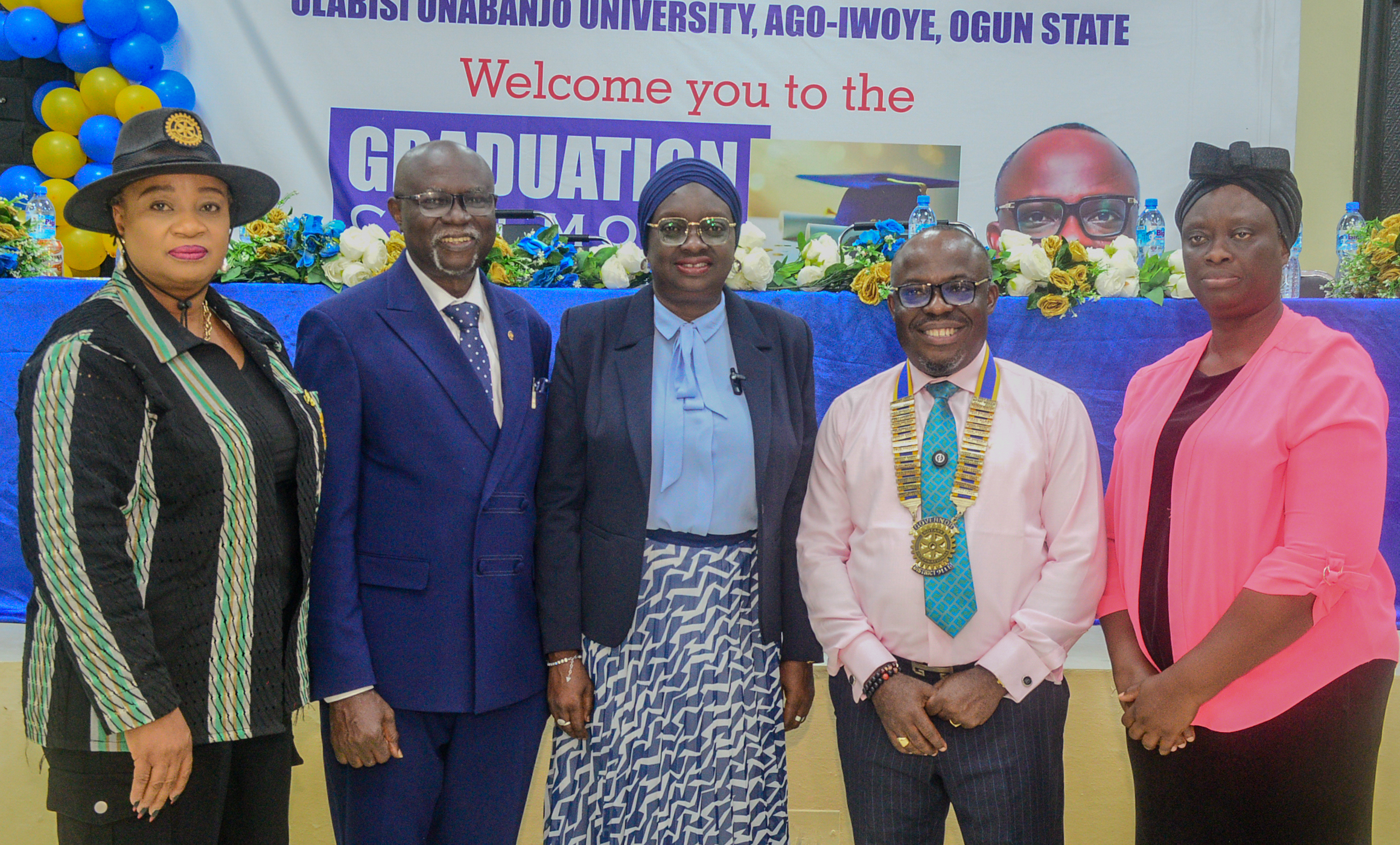
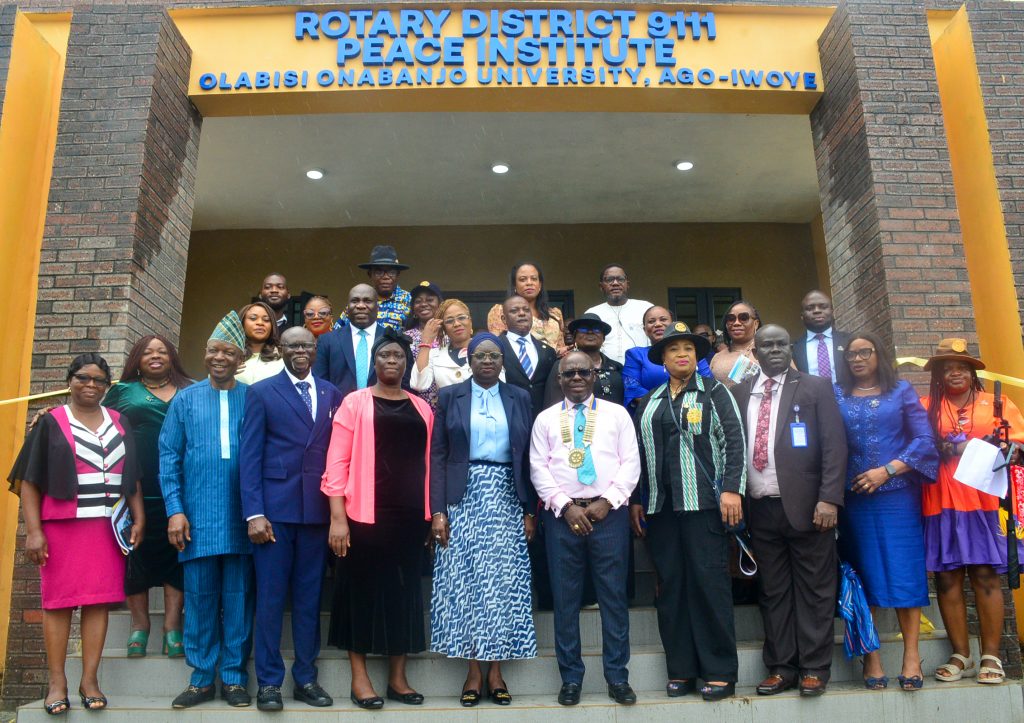
Rotary District 9111 donates Peace Institute Building to Olabisi Onabanjo University
By Sunday Aikulola
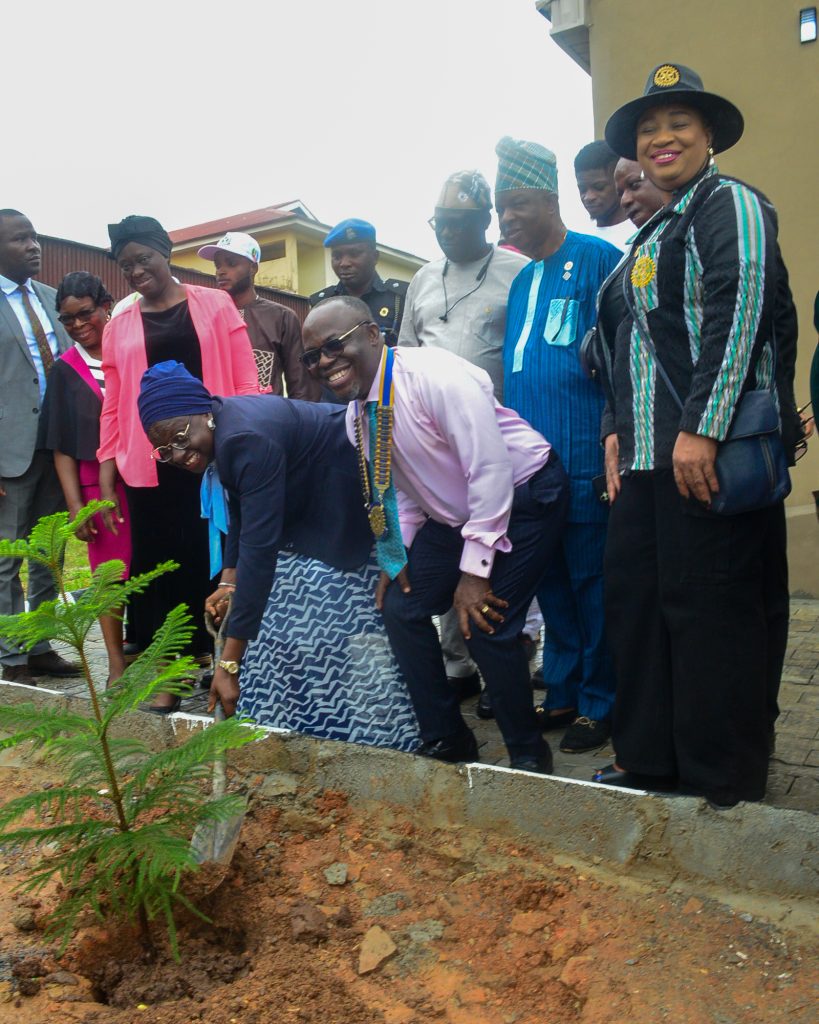
As part of efforts aimed at preventing conflicts and promoting sustainable peace, members of Rotary International District 9111 yesterday donated Peace Institute Building to the management of Olabisi Onabanjo University (OOU), Ago-Iwoye Ogun State.
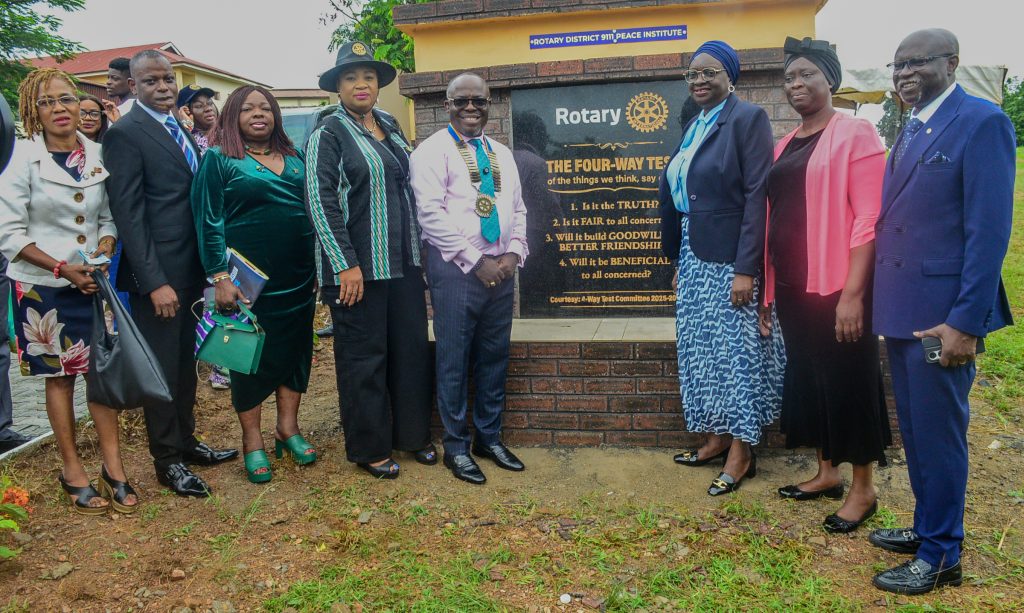
In his speech, District Governor of Rotary International District 9111, Rotarian Henry Akinyele said the Peace Institute is the District and Rotarians statement that peace must be taught, researched and practised, beginning from campuses and extending into communities.
To him, rather than waiting for conflict to happen, Rotarians chose to prevent it through education, dialogue and research.
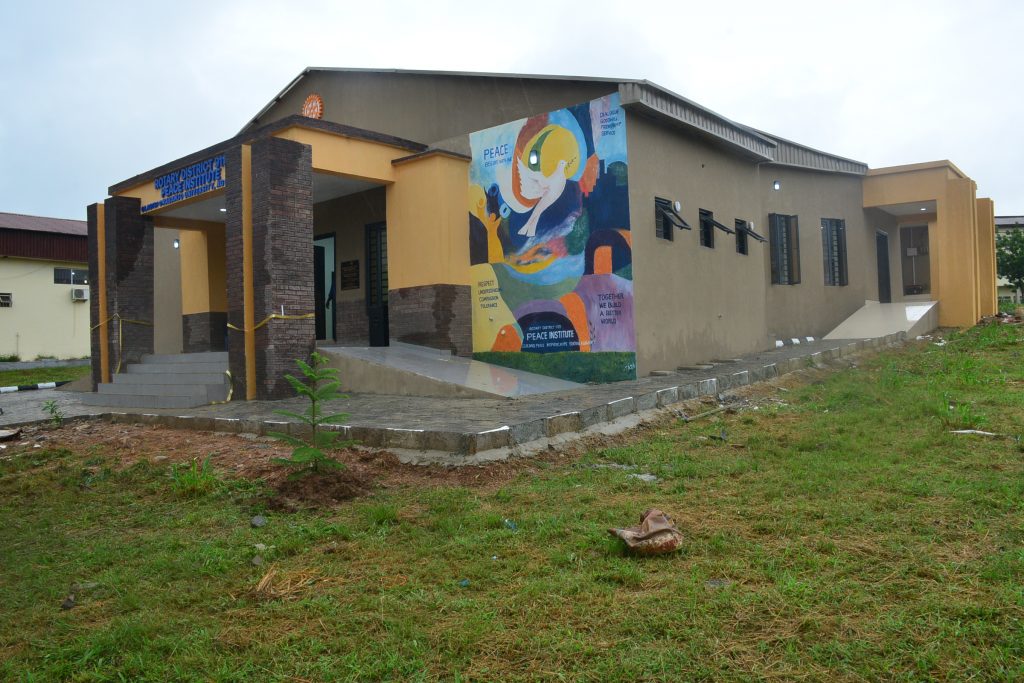
Earlier this Rotary year, Akinyele recalled, ‘we organised a Peace Summit where participants agreed with the United Nations that quality education should include peace education. This Institute will train peace builders from different sectors of society in mediation, conflict analysis and non-violent communication’
Saying peace is everyone’s responsibility, Akinyele also added the project demonstrates the power of partnership among Rotary, Olabisi Onabanjo University, government and the wider community working together.
Specifically, he noted, ‘the United Nations also affirmed that conflict is one of the greatest causes of poverty and inequality. When communities are in conflict, schools close, farms are abandoned, businesses suffer and young people lose opportunities.
By investing in peace, we are protecting education, livelihoods and the future of our communities.
In conclusion, he disclosed, ‘today’s commissioning is another example of Rotary keeping its promises. I must acknowledge our Immediate Past District Governor, Dr. Oluwole Kukoyi, who conceived and introduced the three-month Certificate Programme in Peace Building, Conflict Prevention and Security Studies during the 2024–2025 Rotary year.’
In her speech, Ogun State Deputy Governor, Noimot Salako-Oyedele noted that Rotary has made significant contribution by donating the Peace Building.
‘I want to congratulate the Vice Chancellor, management and staff of OOU for the gesture. The facility will support conflict prevention, mediation and community development. ‘ She added.
On her part, OOU Deputy Vice Chancellor Academics, Prof. Olatundun Abosede stated the facility is an investment in peace promotion. To her, ‘we are deeply grateful to Rotarians for the cause.’
📢 Share & Stay Connected
Join our growing community and never miss important updates:
Telegram
Email Subscription
📩 Enter your email address to subscribe and receive the latest news directly in your inbox.
📰 News Categories
Explore diverse and engaging content across our platform:
Aviation | Capital Market | Energy | Advocacy | Africa | Asia | Europe | World |
Arts | Beauty | Education | Cartoons | Columnists | Features | Fashion |
Football | Industry | Insurance | Maritime | Travel & Tourism | Weekend |
Interviews | Gadgets | Law | Change of Name
ℹ️ About Us
We are committed to delivering timely, credible, and impactful news stories that inform, educate, and inspire society.
📢 Advertise With Us
Reach a wider audience by promoting your brand, business, or services on our platform.
🔒 Privacy Policy
Your privacy matters to us. We ensure your data is protected and handled responsibly.
💬 Leave a Reply
Your email address will not be published. Required fields are marked *
📩 Contact & Media Services
For:
Event Coverage
Public Relations (PR)
Story/Article Publication
Media Partnerships
📧 Kindly send inquiries to: newzspy25@gmail.com
🌐 Visit our official website: www.newzspy.ng
Stay updated with the latest news on health, politics, business, sports, and trending stories.
🎯 Mission Statement
Our mission is to deliver exceptional journalism by presenting balanced, accurate, and impactful stories while promoting positivity in society.
We remain committed to holding leadership accountable and protecting the principles of press freedom and free speech without compromise.
By supporting our platform, you contribute to ensuring that individuals and institutions have access to credible and reliable information for national development.
🔥 Trending Tags & Topics
Stay informed with trending topics including:
Breaking News | Politics | Health | Education | Environment | Lifestyle | Leadership | Religion | Technology.
🌍 Coverage spans across Nigeria and globally, including:
Lagos, Abuja, Rivers, Kano, Delta, Oyo, Kaduna, Enugu, and international regions like the U.S., UK, Europe, Asia, Middle East, and Africa.
📲 Follow & Share
Facebook | Twitter (X) | Instagram | WhatsApp | Telegram | LinkedIn | Pinterest | Reddit
© 2025 NEWZSPY
All Rights Reserved.
Share this content:


Customs Begins New Chapter in Strategic Communication, as NIPR Inducts 70 Public Relations Officers

Customs, Police Reinforce Inter-Agency Collaboration Through Strategic Engagement

Stakeholders Back NCC’s Proposed Zero-Rated Access to Educational Platforms

“Tech Innovator Colin Huang Overtakes China’s Wealthiest with $48.7B Net Worth”.√√√Newzspy.

Tragic Plane Crash Near São Paulo Claims Lives of 62 Passengers. Newzspy.

SystemSpecs Continues to Strengthen Tech Development in Nigeria, Celebrates Lagos State as 2024 SystemSpecs CDEC Winning State.√√√Newzspy.
-
 Business2 years ago
“Tech Innovator Colin Huang Overtakes China’s Wealthiest with $48.7B Net Worth”.√√√Newzspy.
-
 WORLD NEWS2 years ago
Tragic Plane Crash Near São Paulo Claims Lives of 62 Passengers. Newzspy.
-
 Business2 years ago
SystemSpecs Continues to Strengthen Tech Development in Nigeria, Celebrates Lagos State as 2024 SystemSpecs CDEC Winning State.√√√Newzspy.
-

 Politics12 months ago
Third Mainland Bridge: Repair to Cost ₦3.6 Trillion, Rebuild ₦3.8 Trillion— Umahi.
-

 Art and Life2 years ago
Moses Babatope Unveils Multi-Million Dollar Investment/Funding Film Venture – Nile Media Entertainment Group.√√√Newzspy.
-

 Business2 years ago
Glovo and SPAR Market Announce Partnership to Enhance Grocery Delivery in Nigeria.
-

 African Report1 year ago
Exponential Conference 2025: Redefining Leadership with Divine Wisdom, Innovation, and Global Impact.✓✓✓ Newzspy.
-

 Art and Life2 years ago
Rotary Club of Ewutuntun organizes Polio Walk. √√√ Newzspy.