

Religion
Prof. Oloyede Advocates for Sharia Panels in Southwest Nigeria, Says It Will Promote Justice for Muslims. ✓✓✓Newzspy.

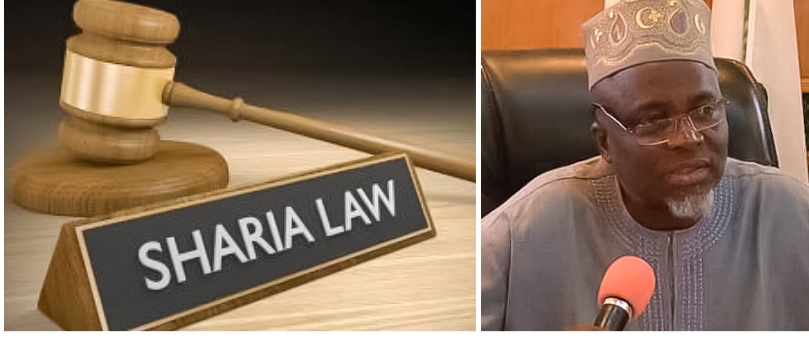
Prof. Oloyede Advocates for Sharia Panels in Southwest Nigeria, Says It Will Promote Justice for Muslims.
In a thought-provoking discussion on Inside Sources with Laolu Akande, a socio-political program aired on Channels Television, the Registrar of the Joint Admissions and Matriculation Board (JAMB), Prof. Is-haq Oloyede, has voiced strong support for the establishment of Sharia panels in the Southwest geopolitical zone of Nigeria.
Oloyede, who also serves as the Secretary-General of the Nigerian Supreme Council for Islamic Affairs (NSCIA), emphasized that the introduction of Sharia panels would provide a legal framework for resolving marriage and inheritance disputes among Muslims in the region, ensuring justice in accordance with Islamic principles. He called on political and religious leaders in the Southwest to recognize the importance of such panels and support their implementation.
Speaking on the necessity of these panels, Oloyede explained that they are not new to the Southwest, contrary to what many may believe. He cited historical evidence showing that Sharia panels have existed in parts of the region for years.
“I believe that Nigeria is great, and Nigeria will continue to be great, but it requires a lot of rethinking,” he said. “Recently, people are talking about Sharia Panels in the Southwest, and I was just smiling. I had never seen that level of ignorance being displayed.”
To further illustrate his point, Oloyede referenced a PhD thesis written in 2007 by an academic who studied the existence and operations of Sharia Panels in Oyo State. The scholar, now Prof. Makinde of the University of Ibadan, had documented how these panels had already been functioning long before 2007, proving that such structures were neither new nor foreign to the region.
He warned against sensationalizing the issue or stirring unnecessary tension over a matter that has historical precedence. According to him, the Southwest has long been known for religious tolerance and peaceful coexistence among Muslims, Christians, and traditional worshippers, but the absence of proper legal recognition for Islamic jurisprudence in certain matters has created psychological burdens for Muslims in the region.
Oloyede highlighted a critical disparity in Nigeria’s legal system regarding the recognition of religious marriages and dispute resolution mechanisms.
“The churches are licensed by the government to conduct statutory marriages, and if there is a dispute in those marriages, couples have access to government-funded high courts for resolution,” he pointed out.
However, for Muslims who marry according to Islamic rites, there is no specialized legal framework to resolve their marital disputes. Instead, they are often forced to seek redress in customary courts, where judges may not have the necessary knowledge of Islamic law.
“If there is a dispute in my marriage, where do I go? I don’t have the opportunity to access a legal system that understands the principles of Islamic marriage. I will have to go to a customary court, where the judge may know next to nothing about my faith and the laws upon which my marriage was based. Yet, he would be the one to decide my case based on customary law, which is different from Islamic law,” Oloyede lamented.
He further referenced Nigeria’s Constitution, which allows for the establishment of Sharia Courts of Appeal in states where the House of Assembly approves them. He noted that such courts already exist in many northern states, ensuring that Muslims there have access to legal institutions that uphold their religious values.
While acknowledging the peaceful religious coexistence in the Southwest, Oloyede cautioned against mistaking silence for satisfaction. He argued that harmony should not come at the expense of justice for any religious group.
“When we say there is harmony, it often means some people are suffering in silence. But when they finally speak up, people say, ‘Why are you making noise?’” he noted.
He urged the Nigerian government and Southwest leaders to ensure that Muslims are not placed at a legal disadvantage due to their religious practices. The introduction of Sharia Panels would, in his view, provide a fair and structured way to resolve disputes within the Muslim community, aligning with Nigeria’s constitutional provisions for religious freedom.
Prof. Oloyede’s remarks have reignited debates on the place of Sharia law in Nigeria’s legal system, particularly in regions outside the North where its implementation has not been widely formalized. While some may argue that introducing Sharia Panels could create religious divisions, Oloyede insists that it is a necessary step toward ensuring fairness and justice for Muslims in the Southwest.
As discussions continue, the question remains: Will Southwest leaders heed this call and establish Sharia Panels, or will the debate spark further controversy? Only time will tell.
Share This.
Leave a Reply:
Your email address will not be published. Required fields are marked *
At the launch of Drop Innovations (a ridesharing app and web platform for car sales), held at Lagos Intercontinental Hotel, Victoria Island, Lagos:
For , Event Coverage, PR, Story/Article Publication & Other Media Services Pls., Send Email To: newzspy25@gmail.com.
Please Kindly Visit Our New Online News Web www.newzspy.ng To Read More Latest, Health, Politics, Business, Sports, Happenings And Interesting News.
MISSION STATEMENT
To provide an exceptional news, balance our stories and shine a positive light on our society. As a media platform, we hold leadership accountable and will not trade the right to press freedom and free speech for a piece of cake. If you like what we do, and are ready to uphold solutions journalism, kindly donate to the Ripples Nigeria cause.
Your support would help to ensure that citizens and institutions continue to have free access to credible and reliable information for societal development.
Tags:
#Abia, #Adamawa, #AkwaIbom, #Algeria, #Anambra, #Angola,#Argentina,#AsHeTurns59, #Australia, #Bangkok, #Bauchi, #Bayelsa #Benue #Borno, #Belgium, #Bharian, #Bolivia, #Brazil, #Bulgaria, #Canada #Chile, #China, #Congo, #Croatia, #CrossRiver, #Cuba, #Delta, #Dubai, #Ebonyi, #Edo, #Ekiti, #Enugu, #Europe, #Finland, #Georgia, #Ghana, #Gombe, #Greece, #Guinea-Bissau, #Hungary, #Imo, #India, #Indonesia, #Israel, #Italy, #Jamaica, #Japan, #Jigawa, #Kaduna, #Kano, #Katsina, #Kebbi, #Kogi, #Kuwait, #Kwara, #Lagos, #Laos, #Lesotho, #Liberia, #Libya, #Malaysia, #Mauritania, #Namibia, #Nasarawa, #NewZealand, #Niger, #Norway, #Ogun, #Oman, #Ondo, #Osun, #Oyo, #Pakistan, #Plateau, #Portugal, #Qatar, #Rivers, #Russia, #SaudiArabia, #Sokoto, #SouthAfrica, #StateOfPalestine, #Switzerland, #Taraba, #Thailand,#TinubuCelebratesCustomsBossAdeniyi, #Togo, #Turkey, #U.S, #Yobe, #Zamfara @jidesanwoolu @drobafemihamzat @Lamataonline@gbenga_omo@gboyegaakosile @BSaluHundeyin @Mr_JAGs #LASG #AGreaterLagosRising @NigeriaGov @NGRSenate @HouseNGR @TradeInvestNG. #Flip #Filminthepark.
Share this content:






The Elevation Church Announces the 11th Accelerate Conference, “Power to Transform”
The Elevation Church, a global church-planting movement with a growing community focused on ministry, leadership, and social impact, has announced its 11th annual Accelerate Conference, themed “Power to Transform”. The conference will be held from Wednesday, 3 June to Sunday, 7 June 2026, at the Pistis Conference Centre, Lagos, Nigeria, alongside multiple experience centres across the world. Hosted by the church’s Global Lead Pastors, Godman Akinlabi and Bola Akinlabi, the conference is expected to attract thousands of participants physically, online, and through global watch parties.
The Accelerate Conference is The Elevation Church’s flagship annual gathering designed to equip individuals with spiritual insight, leadership capacity, and practical wisdom for personal transformation and purposeful living. Over the years, the conference has grown into a globally anticipated platform that brings together influential voices across ministry, leadership, worship, and culture to inspire people towards meaningful impact.
Speaking on the vision behind the conference, Pastor Godman Akinlabi described Accelerate 2026 as “a divine prophetic convergence where people will encounter the power of God in ways that transform every dimension of their lives. We believe this is a defining moment for many individuals, families, leaders, and organisations seeking clarity, renewal, direction, and fresh empowerment for the next phase of their journey.”
This year’s conference is anchored on Metamorphosis, The Elevation Church’s prophetic emphasis for 2026, which represents a season of visible transformation, renewed purpose, and the emergence of a new expression of grace and influence. Through worship, teachings, prayer sessions, and transformative conversations, attendees will be challenged to embrace growth and step boldly into new dimensions of their lives.
The conference will feature globally respected ministers and worship leaders, including Francis Wale Oke, Yemi Davids, Joshua Selman, Jerry Eze, Nathaniel Bassey, Chingtok Ishaku, and Mercy Chinwo, alongside other influential voices from the global Christian community.
One of the unique features of this year’s conference is the introduction of the Accelerate Expectations Card, a prophetic faith tool designed to help participants intentionally document and align their expectations ahead of the conference. Participants are encouraged to download the card via the conference website and prepare prayerfully for the transformation they desire across different areas of their lives.
As part of activities leading up to the conference, believers across the world will participate in the Ignite 72-Hour Prayer Chain from Tuesday, 26 May to Friday, 29 May 2026. This will be followed by Scent of Water, the Pre-Accelerate Worship Experience, scheduled for Sunday, 31 May 2026, at the Pistis Conference Centre, Lagos.
With anticipation already building across faith communities and digital platforms globally, Accelerate Conference 2026 is poised to be one of the most impactful Christian gatherings of the year, creating an atmosphere for spiritual renewal, transformation, and divine encounters. For details, visit: elevationng.org/accelerate
About The Elevation Church
Headquartered in Lekki, Lagos, Nigeria, but with campuses across Nigeria, in the UK, the US, Canada and Europe, The Elevation Church is a dynamic force for positive change, dedicated to making greatness common and leaving a lasting positive impact on lives.
For media enquiries, please contact:
The Elevation Church Communications Team
info@elevationng.org
📢 Share & Stay Connected
Join our growing community and never miss important updates:
Telegram
Email Subscription
📩 Enter your email address to subscribe and receive the latest news directly in your inbox.
📰 News Categories
Explore diverse and engaging content across our platform:
Aviation | Capital Market | Energy | Advocacy | Africa | Asia | Europe | World |
Arts | Beauty | Education | Cartoons | Columnists | Features | Fashion |
Football | Industry | Insurance | Maritime | Travel & Tourism | Weekend |
Interviews | Gadgets | Law | Change of Name
ℹ️ About Us
We are committed to delivering timely, credible, and impactful news stories that inform, educate, and inspire society.
📢 Advertise With Us
Reach a wider audience by promoting your brand, business, or services on our platform.
🔒 Privacy Policy
Your privacy matters to us. We ensure your data is protected and handled responsibly.
💬 Leave a Reply
Your email address will not be published. Required fields are marked *
📩 Contact & Media Services
For:
Event Coverage
Public Relations (PR)
Story/Article Publication
Media Partnerships
📧 Kindly send inquiries to: newzspy25@gmail.com
🌐 Visit our official website: www.newzspy.ng
Stay updated with the latest news on health, politics, business, sports, and trending stories.
🎯 Mission Statement
Our mission is to deliver exceptional journalism by presenting balanced, accurate, and impactful stories while promoting positivity in society.
We remain committed to holding leadership accountable and protecting the principles of press freedom and free speech without compromise.
By supporting our platform, you contribute to ensuring that individuals and institutions have access to credible and reliable information for national development.
🔥 Trending Tags & Topics
Stay informed with trending topics including:
Breaking News | Politics | Health | Education | Environment | Lifestyle | Leadership | Religion | Technology.
🌍 Coverage spans across Nigeria and globally, including:
Lagos, Abuja, Rivers, Kano, Delta, Oyo, Kaduna, Enugu, and international regions like the U.S., UK, Europe, Asia, Middle East, and Africa.
📲 Follow & Share
Facebook | Twitter (X) | Instagram | WhatsApp | Telegram | LinkedIn | Pinterest | Reddit

© 2025 NEWZSPY
All Rights Reserved.
Share this content:
News
Oduduwa Support Groups Organisation Launched in Ibadan, Declares Support for Tinubu’s 2027 Re-election. ✓✓✓Newzspy.
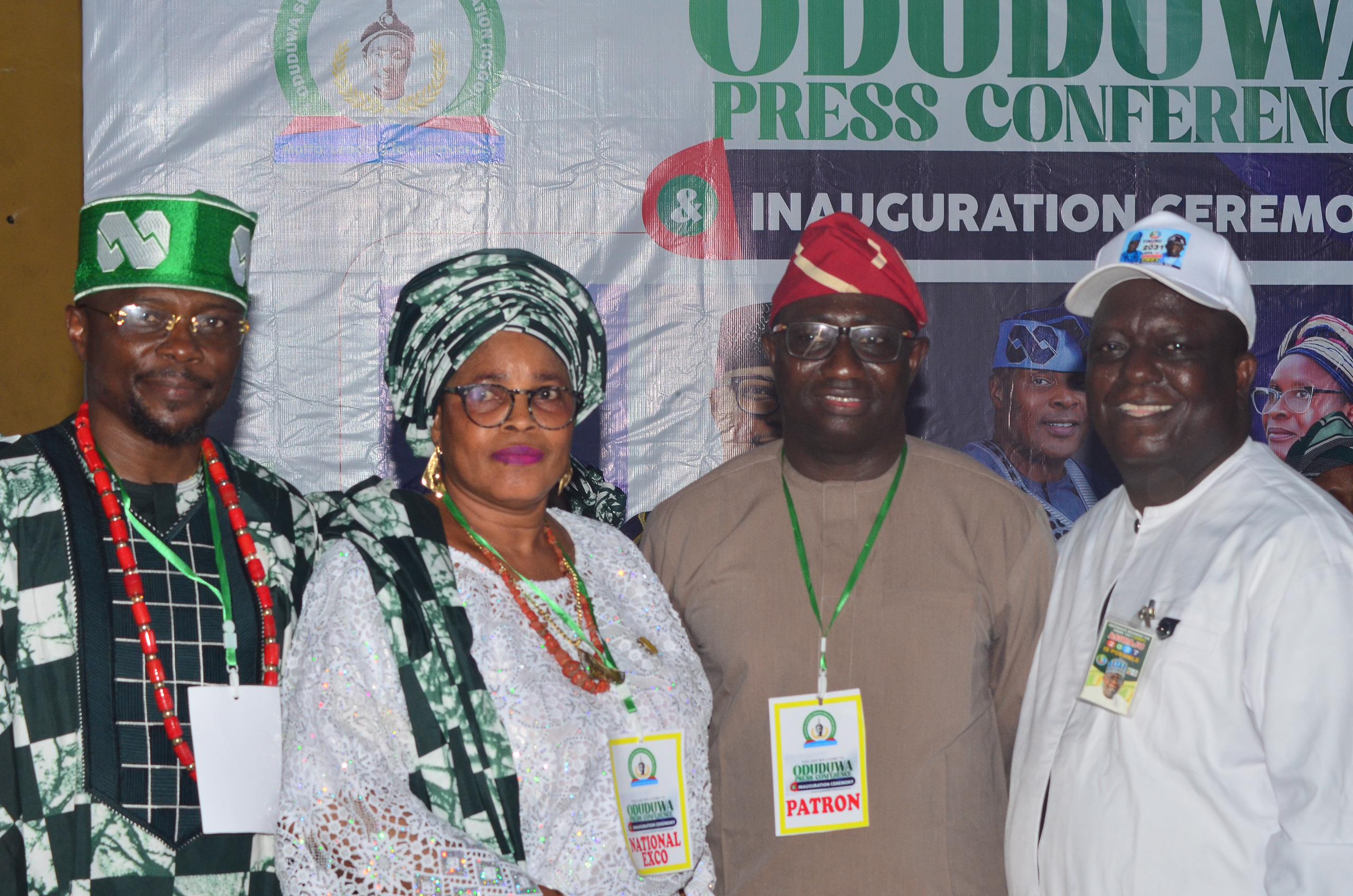
Oduduwa Support Groups Organisation Launched in Ibadan, Declares Support for Tinubu’s 2027 Re-election .
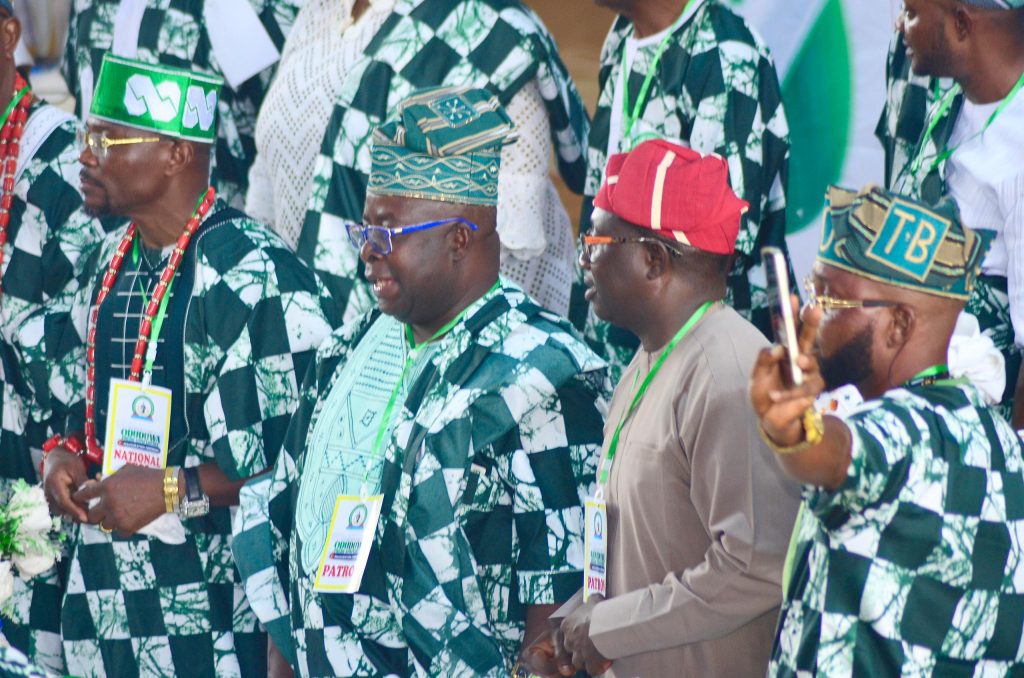
Ibadan, Nigeria — A new socio cultural and political movement, the Oduduwa Support Groups Organisation (OSGO), was officially inaugurated yesterday in Ibadan, with its leadership outlining an ambitious agenda centered on unity, political coordination, and strategic engagement for the Yoruba people.
Speaking at the inauguration and press conference, Co-Founder and Director General, Otunba Olusola Orelaja, described the organisation as “not a social club, but a movement” aimed at consolidating the collective strength of the Oduduwa people for developmental and political advancement.
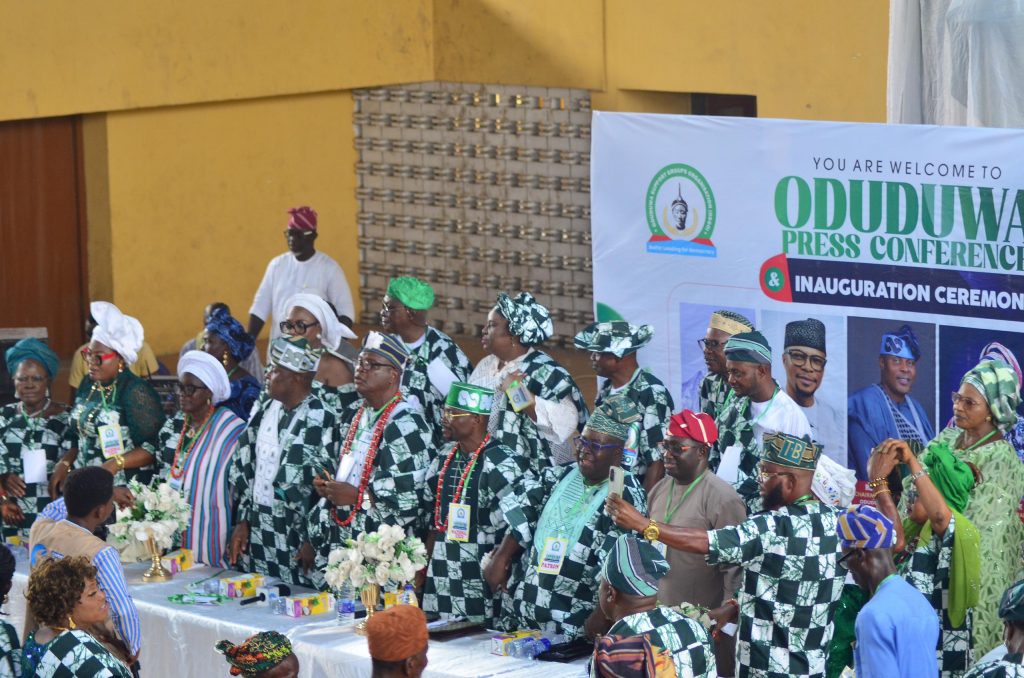
Addressing an audience that included traditional rulers, community leaders, and stakeholders, Orelaja emphasized that the formation of OSGO was driven by necessity. According to him, the organisation seeks to provide structure, direction, and purpose to various support groups across the region.
“Today is not just about inauguration—it is about purpose. We are gathered for direction, decision, and declaration,” he said, stressing the need for a unified platform to enhance socio-cultural and political influence.
He noted that the Yoruba people have historically played a leading role in Nigeria’s development, citing their legacy of leadership, enterprise, and political awareness. However, he warned that without clear direction, such strengths could become fragmented.
Quoting a Yoruba proverb, he added, “If we do not know where we are going, we may forget where we are coming from,” describing the organisation as a bridge between heritage and future aspirations.
Orelaja outlined the core mission of OSGO, which includes uniting all Oduduwa support groups under a single structure, promoting inclusiveness, advancing socio-political development, and positioning members for stronger participation in governance. He also stressed the group’s commitment to supporting leadership that aligns with its vision of progress.
In a significant political declaration, the organisation threw its weight behind President Bola Ahmed Tinubu, endorsing his re-election bid for 2027.
“Having critically examined the leadership of President Bola Ahmed Tinubu, we recognise the courage, experience, and reforms already set in motion to reposition Nigeria,” Orelaja said. “Yes, the road is not easy—but no meaningful transformation is ever easy.”
He framed the endorsement as a strategic decision rooted in the need for continuity, stability, and sustained progress, both for the Yoruba people and the nation at large.
“The Oduduwa Support Groups Organisation hereby declares total and unwavering support for the re-election of President Bola Ahmed Tinubu in 2027,” he announced.
Also speaking at the event Baba Oba Vincent Bakare who is a Co-founder and national leader of the group however, declared a call to action, urging members to mobilise, leaders to provide guidance, and the wider Yoruba community to unite under a shared vision for the future.
In the same vein, Hon. Wale Fasade the Chairman of the advisory Council and also a Co-founder of the group in his keynote address the theme: “The Yoruba Nation in 21 century Nigeria: Challenges, Opportunities and the path forward” stressed that the topic is not merely for discussion but a Clarion call to action for every son and daughter of the Yoruba race.
“The launch of OSGO signals a new phase of organised political engagement among Yoruba support groups, with its leadership positioning the movement as a key player in shaping political discourse ahead of the 2027 general elections,” Fasade noted.
Other dignitaries that graced the ceremony include: Dr Oyeyemi Fawekun, Alhaja Aminat Oparemi, Hon. Akinbode Joseph (Patron), Dr Raymond Osho (Patron), Amb. Princess Kosile Kolawole, APC Oyo State Executive, a popular APC Governorship aspirant and many more.
Members of the national executive of OSGO include Rev. Dr Nike Victor -Tade, the Deputy Director General, Hon. Mrs Aduke Mariam Ibrahim, the National Woman Leader of the group, Asiwaju Gboyega Idowu-Jai, the National Secretary, Chief Mrs. Ayankoya National Financial Secretary, Hon Amida Funmilayo, National Treasurer, Hon. Bello Rasheed, National Youth Leader.
Also in attendance are the Oduduwa Southwest state coordinator members includes Lagos state coordinator Prophetess Princess Funmi Adekanbi, Ogun state coordinator Hon. Bose Adewale, Oyo state coordinator Cmr Ayuba Alawo, Osun state coordinator Osunrotimi Akanbi Tajudeen, Ekiti state Coordinator Otunba Ayodeji Adewale Famoroti and Ondo state coordinator Prince Korede Oluwatuyi.
📢 Share & Stay Connected
Join our growing community and never miss important updates:
Telegram
Email Subscription
📩 Enter your email address to subscribe and receive the latest news directly in your inbox.
📰 News Categories
Explore diverse and engaging content across our platform:
Aviation | Capital Market | Energy | Advocacy | Africa | Asia | Europe | World |
Arts | Beauty | Education | Cartoons | Columnists | Features | Fashion |
Football | Industry | Insurance | Maritime | Travel & Tourism | Weekend |
Interviews | Gadgets | Law | Change of Name
ℹ️ About Us
We are committed to delivering timely, credible, and impactful news stories that inform, educate, and inspire society.
📢 Advertise With Us
Reach a wider audience by promoting your brand, business, or services on our platform.
🔒 Privacy Policy
Your privacy matters to us. We ensure your data is protected and handled responsibly.
💬 Leave a Reply
Your email address will not be published. Required fields are marked *
📩 Contact & Media Services
For:
Event Coverage
Public Relations (PR)
Story/Article Publication
Media Partnerships
📧 Kindly send inquiries to: newzspy25@gmail.com
🌐 Visit our official website: www.newzspy.ng
Stay updated with the latest news on health, politics, business, sports, and trending stories.
🎯 Mission Statement
Our mission is to deliver exceptional journalism by presenting balanced, accurate, and impactful stories while promoting positivity in society.
We remain committed to holding leadership accountable and protecting the principles of press freedom and free speech without compromise.
By supporting our platform, you contribute to ensuring that individuals and institutions have access to credible and reliable information for national development.
🔥 Trending Tags & Topics
Stay informed with trending topics including:
Breaking News | Politics | Health | Education | Environment | Lifestyle | Leadership | Religion | Technology | AI
🌍 Coverage spans across Nigeria and globally, including:
Lagos, Abuja, Rivers, Kano, Delta, Oyo, Kaduna, Enugu, and international regions like the U.S., UK, Europe, Asia, Middle East, and Africa.
📲 Follow & Share
Facebook | Twitter (X) | Instagram | WhatsApp | Telegram | LinkedIn | Pinterest | Reddit
© 2025 NEWZSPY
All Rights Reserved.
Share this content:
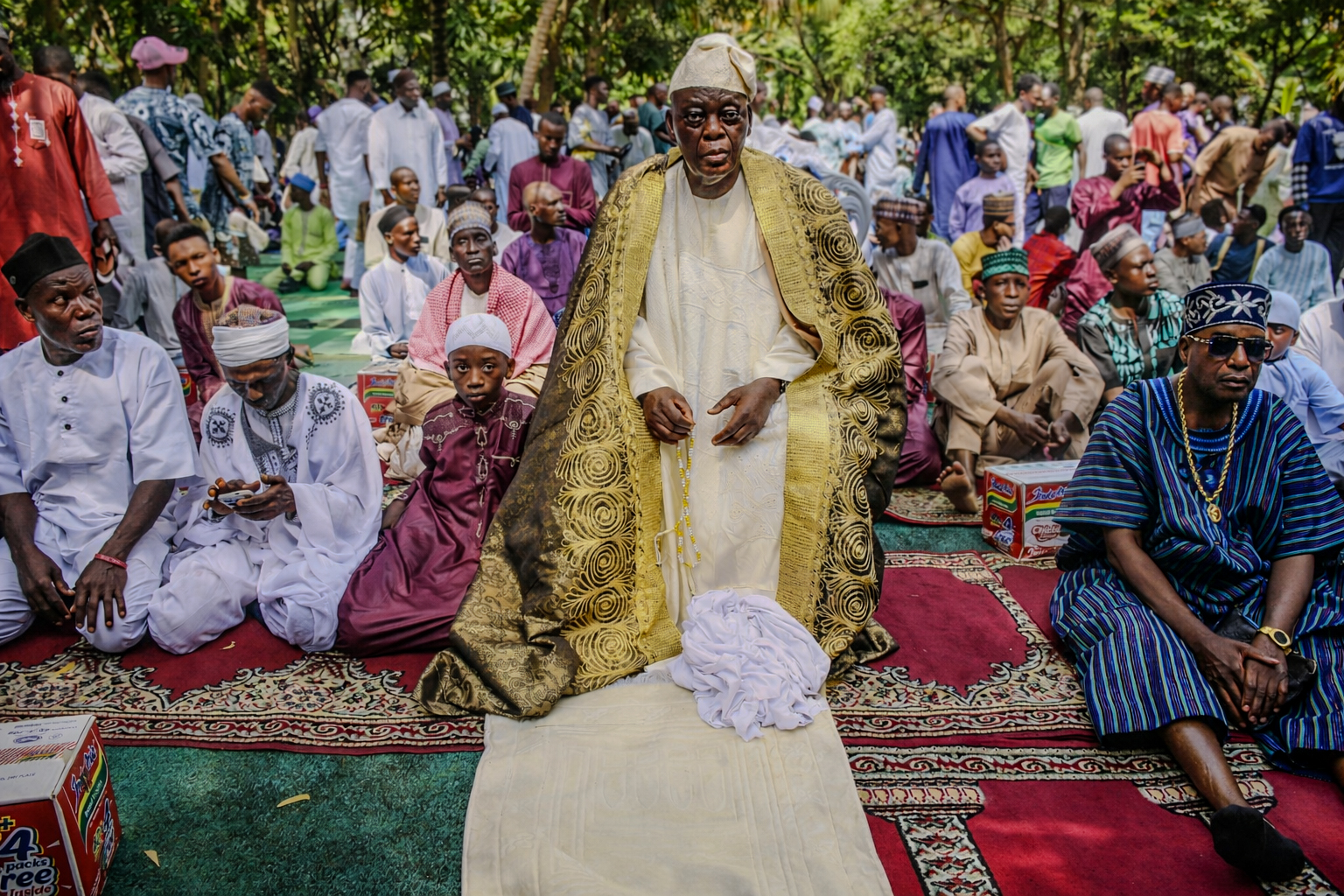
Okoya Hosts Muslim Faithful for Grand Eid-el-Fitr Celebration in Lagos.
Prominent Nigerian billionaire industrialist and founder of the Eleganza Group, Razaq Okoya, once again demonstrated his deep commitment to faith, community, and philanthropy as he hosted Muslim faithful for this year’s Eid-el-Fitr celebration in Lagos.
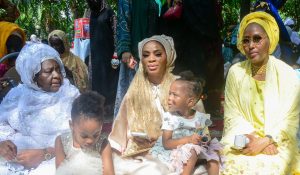
The well-attended event took place on Friday, March 20, 2026, at the expansive Oluwanisola Mansion, located along the Lekki–Ajah axis of Lagos State. The annual gathering has become a significant tradition for the Okoya family, drawing worshippers, dignitaries, and well-wishers from across the state.
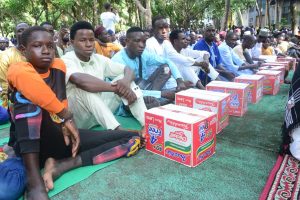
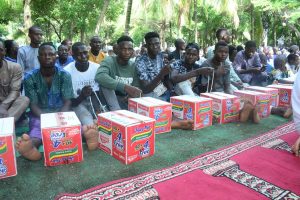
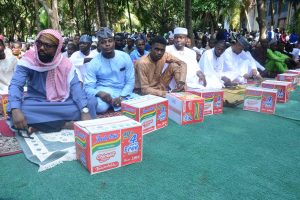
The celebration commenced with a solemn congregational Eid prayer held within the lush, serene grounds of the residence. Surrounded by palm trees and a tranquil environment, over a hundred Muslim faithful gathered in unity to mark the end of the holy month of Ramadan. The atmosphere was filled with reverence, gratitude, and spiritual reflection as worshippers stood shoulder to shoulder in devotion.
In line with the true essence of Eid—charity, compassion, and sharing—the Okoya family extended generous support to attendees. Food items and relief packages, including noodles and other essentials, were distributed to guests, ensuring that everyone present experienced the joy and blessings of the festive season. This act of kindness further reinforced the family’s longstanding reputation for philanthropy and social responsibility.
Following the prayer session, the celebration transitioned into an exclusive private reception within the mansion. Guests were warmly received and entertained in a relaxed and joyful setting. The gathering provided an opportunity for networking, exchange of Eid greetings, and strengthening of social bonds among attendees.
Notable personalities in attendance included members of the Okoya family such as Kuburat Okoya and Tajudeen Okoya, alongside close associates, friends, and respected members of the community. Their presence added color and significance to the occasion, reflecting the strong ties and influence of the Okoya family.
The event not only marked the conclusion of Ramadan but also served as a powerful reminder of the importance of unity, generosity, and gratitude—values that define the Eid-el-Fitr celebration.
As the day drew to a close, guests departed with hearts full of joy, appreciation, and renewed spiritual energy, commending the Okoya family for yet another successful and impactful gathering.
The Power of Images: When Photos Speak:
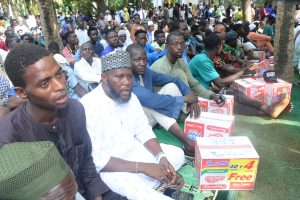
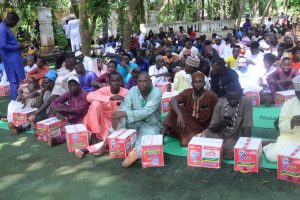
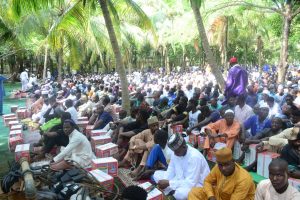
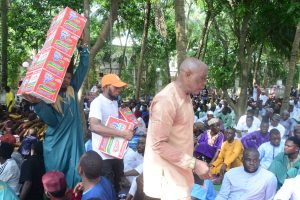
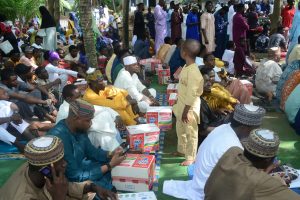
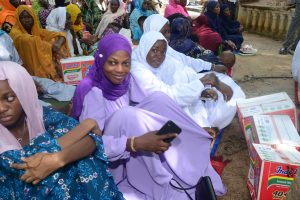
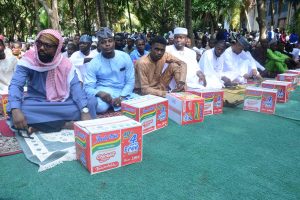
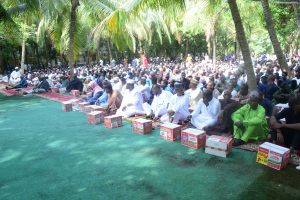
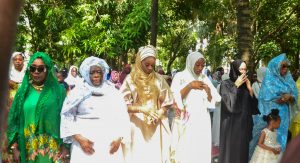
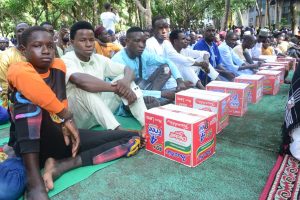
Picture by : Sheu Fatai IGWENONI MULTIMEDIA IMV
For more stories on education, rankings, and policy analysis, stay connected with Newzspy.ng.
Share This.
Leave a Reply:
Your email address will not be published. Required fields are marked *
For , Event Coverage, PR, Story/Article Publication & Other Media Services Pls., Send Email To: newzspy25@gmail.com.
Please Kindly Visit Our New Online News Web www.newzspy.ng To Read More Latest, Health, Politics, Business, Sports, Happenings And Interesting News.
MISSION STATEMENT
To provide an exceptional news, balance our stories and shine a positive light on our society. As a media platform, we hold leadership accountable and will not trade the right to press freedom and free speech for a piece of cake. If you like what we do, and are ready to uphold solutions journalism, kindly donate to the Ripples Nigeria cause.
Your support would help to ensure that citizens and institutions continue to have free access to credible and reliable information for societal development.
Tags:
#Abia, #Adamawa, #AkwaIbom, #Algeria, #Anambra, #Angola,#Argentina,#AsHeTurns59, #Australia, #Bangkok, #Bauchi, #Bayelsa #Benue #Borno, #Belgium, #Bharian, #Bolivia, #Brazil, #Bulgaria, #Canada #Chile, #China, #Congo, #Croatia, #CrossRiver, #Cuba, #Delta, #Dubai, #Ebonyi, #Edo, #Ekiti, #Enugu, #Europe, #Finland, #Georgia, #Ghana, #Gombe, #Greece, #Guinea-Bissau, #Hungary, #Imo, #India, #Indonesia, #Israel, #Italy, #Jamaica, #Japan, #Jigawa, #Kaduna, #Kano, #Katsina, #Kebbi, #Kogi, #Kuwait, #Kwara, #Lagos, #Laos, #Lesotho, #Liberia, #Libya, #Malaysia, #Mauritania, #Namibia, #Nasarawa, #NewZealand, #Niger, #Norway, #Ogun, #Oman, #Ondo, #Osun, #Oyo, #Pakistan, #Plateau, #Portugal, #Qatar, #Rivers, #Russia, #SaudiArabia, #Sokoto, #SouthAfrica, #StateOfPalestine, #Switzerland, #Taraba, #Thailand,#TinubuCelebratesCustomsBossAdeniyi, #Togo, #Turkey, #U.S, #Yobe, #Zamfara @jidesanwoolu @drobafemihamzat @Lamataonline@gbenga_omo@gboyegaakosile @BSaluHundeyin @Mr_JAGs #LASG #AGreaterLagosRising @NigeriaGov @NGRSenate @HouseNGR @TradeInvestNG. #Flip #Filminthepark. #PremierLeague #Liverpool #Champions #YNWA #SportyPeople #UniversityRanking #Nigeria2025 #CovenantUniversity #EducationMatters #TIMES2025 #NaijaEducation #Newzspy.

© 2025 NEWZSPY ALL RIGHTS RESERVED.
Share this content:


Customs Begins New Chapter in Strategic Communication, as NIPR Inducts 70 Public Relations Officers

Customs, Police Reinforce Inter-Agency Collaboration Through Strategic Engagement

Stakeholders Back NCC’s Proposed Zero-Rated Access to Educational Platforms

“Tech Innovator Colin Huang Overtakes China’s Wealthiest with $48.7B Net Worth”.√√√Newzspy.

Tragic Plane Crash Near São Paulo Claims Lives of 62 Passengers. Newzspy.

SystemSpecs Continues to Strengthen Tech Development in Nigeria, Celebrates Lagos State as 2024 SystemSpecs CDEC Winning State.√√√Newzspy.
-
 Business2 years ago
“Tech Innovator Colin Huang Overtakes China’s Wealthiest with $48.7B Net Worth”.√√√Newzspy.
-
 WORLD NEWS2 years ago
Tragic Plane Crash Near São Paulo Claims Lives of 62 Passengers. Newzspy.
-
 Business2 years ago
SystemSpecs Continues to Strengthen Tech Development in Nigeria, Celebrates Lagos State as 2024 SystemSpecs CDEC Winning State.√√√Newzspy.
-

 Politics12 months ago
Third Mainland Bridge: Repair to Cost ₦3.6 Trillion, Rebuild ₦3.8 Trillion— Umahi.
-

 Art and Life2 years ago
Moses Babatope Unveils Multi-Million Dollar Investment/Funding Film Venture – Nile Media Entertainment Group.√√√Newzspy.
-

 Business2 years ago
Glovo and SPAR Market Announce Partnership to Enhance Grocery Delivery in Nigeria.
-
 African Report1 year ago
Exponential Conference 2025: Redefining Leadership with Divine Wisdom, Innovation, and Global Impact.✓✓✓ Newzspy.
-

 Art and Life2 years ago
Rotary Club of Ewutuntun organizes Polio Walk. √√√ Newzspy.